
Climate drivers of tree fecundity across space and time
Forests are foundational to global biodiversity and ecological stability, yet they face intensifying threats from climate change. My research investigates how climate change impacts tree fecundity and how these changes ripple through ecosystems. I focus on three main questions:
- How does pollen limitation constrain seed production?
- How has mast abundance influenced historical ecological transitions?
- How might topographic complexity provide refuge for tree species in the future?
These chapters together provide a multi-scale understanding of how climate-driven changes in tree reproduction influence forest resilience and biodiversity.
MASTIF

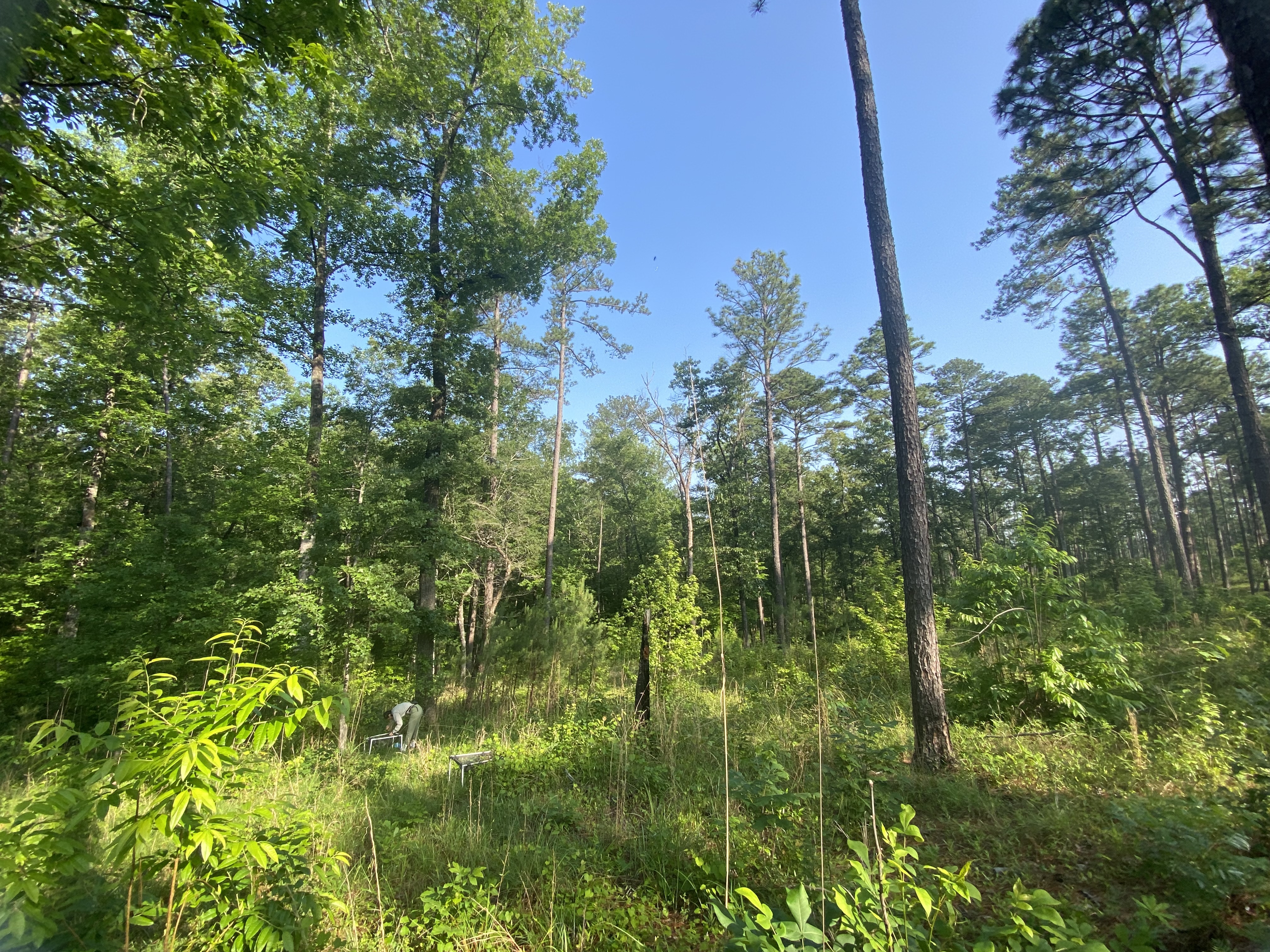

The MASTIF (Mast Inference and Prediction) project provides continental-scale estimates of tree fecundity, integrating seed production, climate, and topography. I assist in data collection across a wide range of sites along the east coast, from Maine to Florida to Alabama. We collect leaf litter from long-term plots and conduct crop counts on individual trees to measure seed production directly. These measurements allow us to estimate tree-level fecundity across species and sites¹.
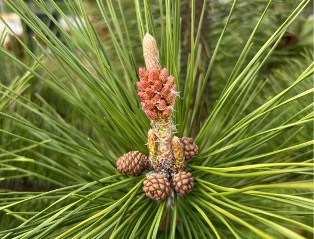
How will pollen limitation constrain seed production?
Using atmospheric pollen data from the National Allergy Bureau (NAB), seed abundance estimates from MASTIF, and environmental covariates, I investigate the key role of pollen availability in constraining tree reproduction.
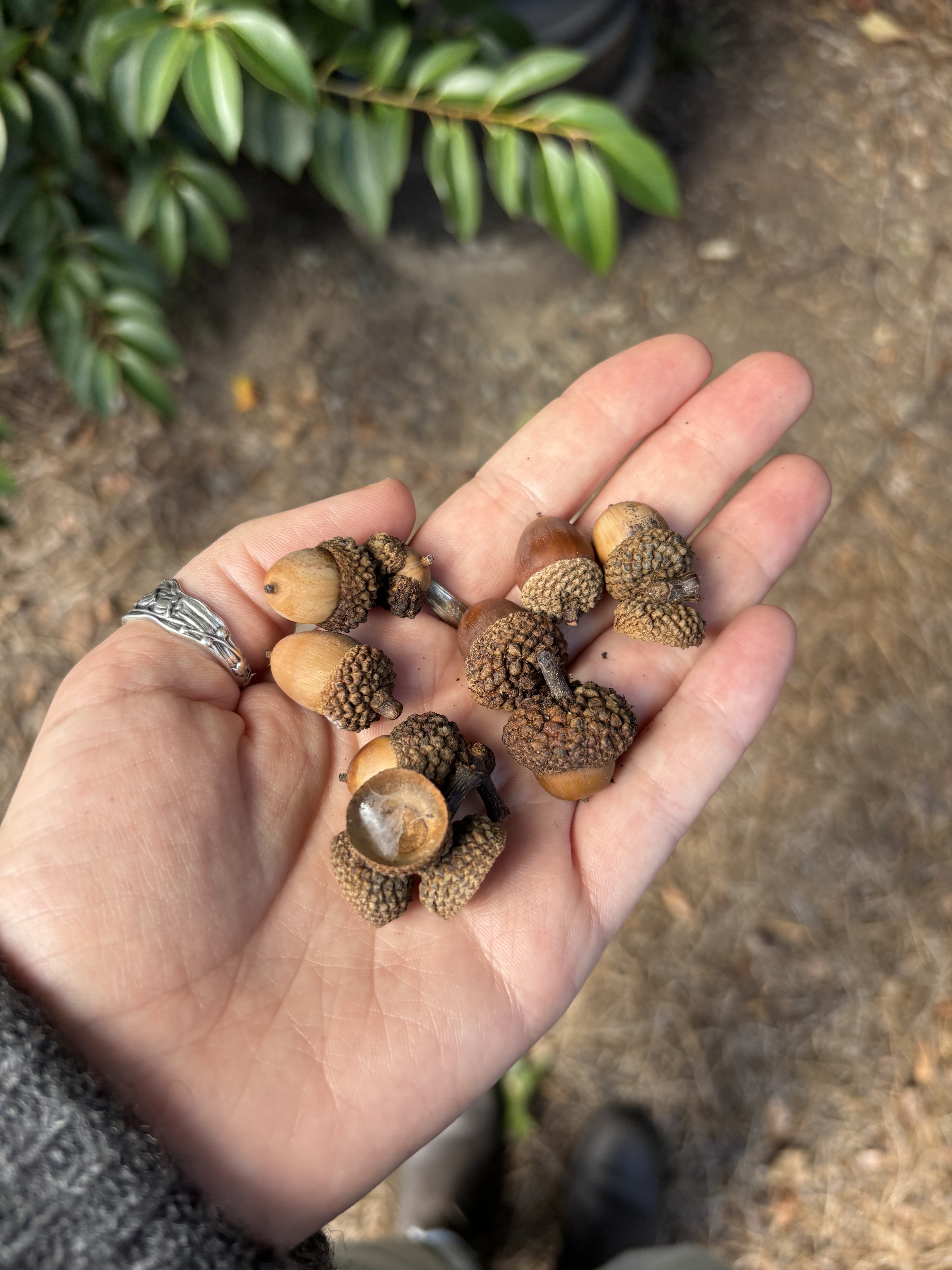
How did historic mast abundance support extinct megafauna during LGM?
By reconstructing historical mast abundances, I explore how fluctuations in seed production could have supported animal communities during major ecological transitions, providing context for understanding long-term ecosystem dynamics.
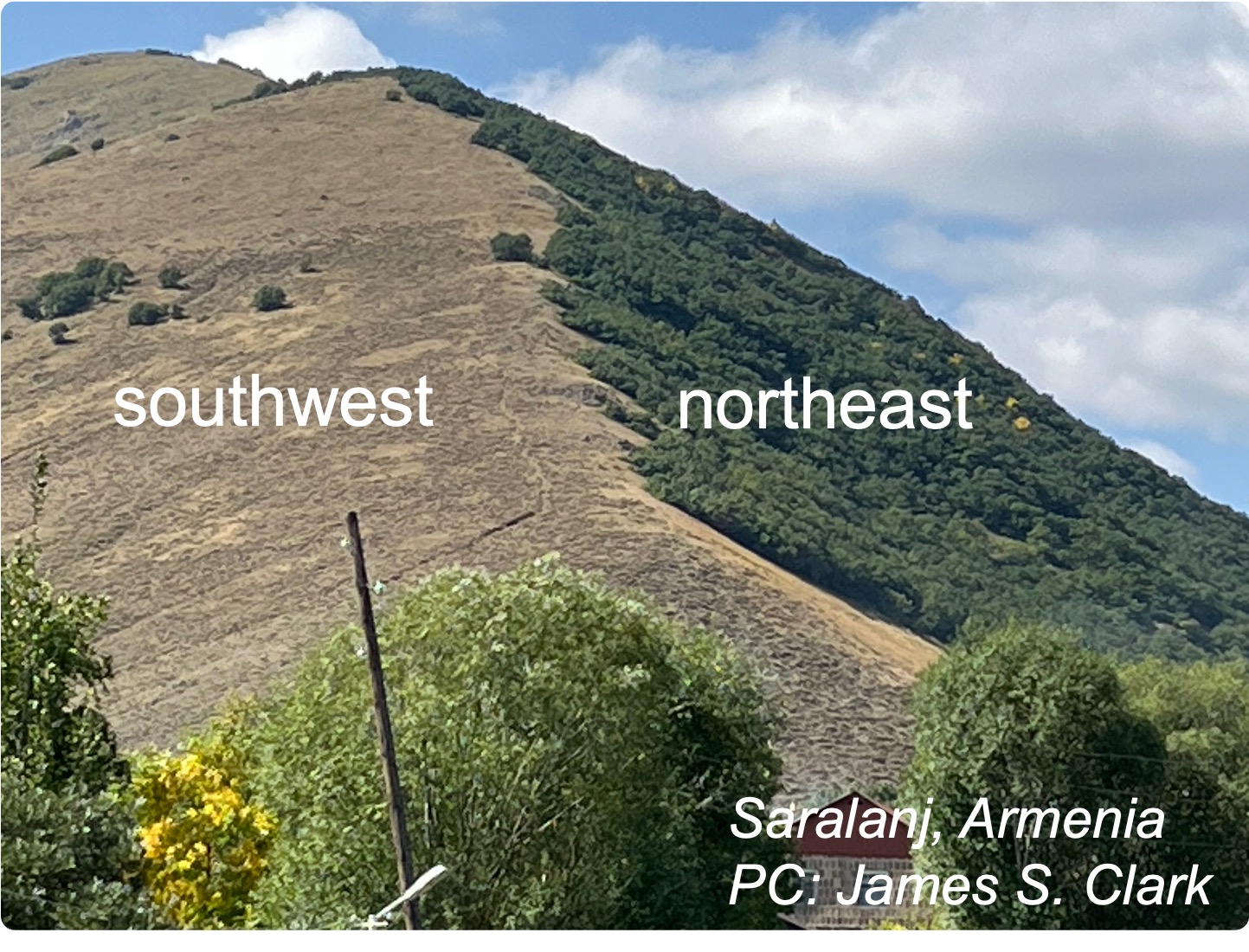
How might topographic complexity offer fecundity refuge?
By modeling MASTIF data with topographic variables, I evaluate potential areas where forests may persist and regenerate, informing conservation strategies for future climates.
References
¹ Clark, J. S., Nuñez, C. L., & Tomasek, B. (2019). Foodwebs based on unreliable foundations: spatiotemporal masting merged with consumer movement, storage, and diet. Ecological Monographs, 89(4). https://doi.org/10.1002/ecm.1381